COPENHAGEN
TOURIST
& VISITORS LOUNGE |
| Copenhagen
- Personal and Practical Information! |
|
Libraries
are great Information Centres for tourism
activities and services. |
Copenhageners
are very friendly and quite helpful - when
tourists require any type of assistance. |
|
Cruise
Ground Services at
Danish ports of call. |
|
Copenhagen Tourism Venues & City Information |
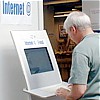
Libraries are great city information
Centres & Tourism Venues
Visit your local library in Copenhagen -
and obtain much more information about Copenhagen
- as public Libraries are important Tourism
Venues - great information
centres and visitors service
hotspots for tourists and visitors.
Use the facilities like free Internet
(book accommodations - airline
tickets - travel offers etc.) - fax-service
- copying facilities etc.
- as well as reading a lot of free fresh
daily newspapers from different
countries plus magazines and other popular
reading stuff. The Danish word for library
is "Bibliotek".
A collection of up-to-date travel books
and guides are offered with information
about Copenhagen - Denmark and Scandinavia.
Even opened on Saturdays
and Sundays!
See: Libraries
Copenhageners
- The born ambassadors of their city
The Copenhageners are really proud of their
city - and feel themselves very fortunate
if foreigners select to visit their town.
When you are facing a genuine Copenhagener
- you have probably meet a Jensen
- Nielsen - Hansen
- Pedersen or Andersen
- which is the most common surnames in Copenhagen.
The citizens of Copenhagen are the born
ambassadors and the prime
tourist attraction of their
city. So kindly contact them - and ask if
you require or need any type of assistance
- and they will be trilled to help in any
way. Most Copenhageners speak English
- and many residents speak German
- French and Spanish.
See: Copenhagen
Culture
Destination Services
Inbound
Travel Service provides all services at
Copenhagen Ports of Call - as Ground
Operations - Transfers
- Sightseeing - Shore Excursions
- Cultural & Leisure Events
etc. - with the best combinations that ensure
safe and enjoyable arrangements in and beyond
Copenhagen. We also offer Cruise
Events - and Hospitality
Venue Programs - as a part of our
Destination Management
solutions and services.
Transfer - Transport - Excursion - Accommodation.
See:
Inbound
Travel Service
|
|
|
|
|
|
|
Credit
Cards in Copenhagen |
All international credit cards
are mostly accepted in Copenhagen and Denmark.
Banks - shops - hotels - restaurants and
other type of services allows a fee of 3,75%
for every transaction the tourists make
with their credit card.
|
|
|
|
|
|
|
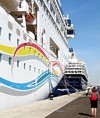
Cruise
Ports of Call - Copenhagen |
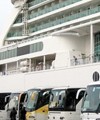
All international Cruise vessels that visits
Denmark’s Capital city Copenhagen
for the cruise season - will either line
up at the Langelinie Pier
- or the harbour area of the Freeport
Piers at Nordhavn.
The “Turn Around” Cruise ships
- will mainly tie up at the North Harbour
Piers for embarkation.
The
Terminal at Amerika
Plads serves passengers sailing
to and from Oslo - Norway and Poland.
See: Cruise Copenhagen
|
|
|
|
|
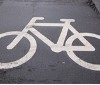
| There
are over 350 km of safe cycle tracks in and around
Copenhagen. |
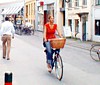
| Copenhageners
have quite a noble culture and behaviour on their
cycles. |
|
360 km of safe cycle tracks
There are about 5,2 million
bicycles in Denmark - and over 700,000
in Copenhagen - as nearly every
Dane owns a cycle. Almost 400,000
Copenhageners use their beloved
cycles to commute back and forth to work
every day - and in the warmer periods -
especially in the summertime - the amount
of cyclists in Copenhagen increase on the
360 km of safe cycle tracks
that are established around the city. There
are no free bicycles available
in Copenhagen for tourists.
Copenhagen has a quite noble cycle
culture
Copenhagen
is a very biker friendly city and has been
it for almost 100 years
with a quite noble cycle culture
- and here are some basic rules
- when cycling in the city: Keep right
and always use the bicycle tracks - when
available. Use hand signals
- when turning right or left or stopping.
In Denmark there are no right turns
on red. Only one person is allowed
on a cycle - and riding side by side is
permitted. Stop at bus stops - and allow
passengers to enter or departure the bus.
Many cyclists use crash helmets - but it
is not mandatory by law.
|
See:
Cycling
& Driving
See:
Transport
|
|
|
|
| Always
clean free fresh drinking tap water in Copenhagen. |
|
Drinking
Water in Copenhagen |
Free fresh tap water
Another bonus visiting Copenhagen is that
all taps in the City run with Sparkling
Clean and Fresh Drinking
Water. No matter where you are
in Copenhagen there will always be fresh
drinking tap water around you. As one of
the few countries in the world - Denmark
can offer their citizens and visitors sparkling
clean drinking water directly from the tap
- and as a curiosity the same Sparkling
Clean and Fresh Drinking Water is used in
the shower - for watering
lawns - for car wash
and for flushing toilets
etc. As a curiosity - many restaurants requires
between DKK 50.00 –
100.00 for a can or jar
of cold free and fresh tap water!
|
|
|
|
|
|
By
Danish law - it is compulsory to drive on the
right side of the road - and always with the head
lights turned on. |
|
Basic
traffic rules
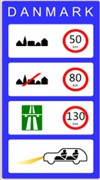
In Denmark everyone drives on the
right side of the road
- and remember - always with the head lights
on. All the road signs use standard international
symbols and sometimes include Danish text.
1 kilometer is equal to 0.6 miles.
Speed
Limits
Speed limits in Denmark is 50 km/h
in towns and built-up areas - 80
km/h on open roads - and 110
km/h on the highway (some parts
allow 130 km/h with posted
signs). There are special speed limits for
trailers - caravans and mobile homes.
Safety
Rules
In Denmark - seat belts
must be used at all times - and there must
be a seat belt for every person in the car.
Make sure to carry a warning triangle
in your car - and use it when stopping on
open roads or highways. Parking cars
unlawfully will result in a fine
of over DKK 700,-. It’s a
must in Denmark always to keep your headlights
on.
Drink Driving & Drugs
Just don't drink and drive with alcohol
or drugs in your body. The legal limit for
alcohol in your blood is 0.05 per
cent in Denmark - anything higher
than 0.05 per cent
- one will receive a very high fine - hard
punishment - as well as a jail sentence!
And driving under the influence of drugs
or other former for euphoriants
will provide the driver with even
higher sentences - who subsequently will
be punished severely.
Driving
Documents and Motorcycles
Always carry your driving licence
- vehicle registration document
- and certificate of motor insurance
with you - as all motor vehicles
by law must be insured in Denmark. You must
be 18 years to drive a
car or motorcycle in Denmark -
and motor cyclists must by law use a crash
helmet at all times.
Emergency
and Assistance
If involved in a traffic accident in Denmark
- one must call 112 to
receive help and support from the Danish
police - fire department
or ambulance.
|
See:
Cycling
& Driving
See:
Transport
|
|
|
|
|
|
Electricity
in Copenhagen |
Power supply
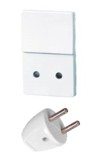
Electricity is supplied at 220
volts A/C - 50-60 Hz cycle. In
many hotels 110-volt
power plugs are also available. Adapters
and transformers can be purchased in Denmark.
It's always best to check at your hotel
desk before using an electrical outlet.
|
|
|
|
|
Holidays
and Flag days in Denmark. |
|
|
Flag
Days - Holy Days - Public Holidays - Denmark |
Flag - Holy and Public Holidays
In Denmark there are several Flag
Days - Holy Day
and Public Holidays that
are celebrated as a part of the Danish Christian
inheritance and culture. And there are many
seasonal holidays and vacations
- such as summer holidays
- autumn holidays and winter
holidays. All public schools follow
the seasonal holidays.
See:
Flag
days - Holidays
|
|
|
|
|
|
|
Hospital
Treatment in Copenhagen &
Denmark |
Hospital Treatment in Denmark
As
a bonus visiting Denmark
- all international foreigners from all
nations are entitled to receive transient
hospital treatment or use casualty
wards if an unexpected sickness
or accident should occur during a temporary
stay in Denmark. The patient's home transport
is covered by the treated person. Always
check all the travel
insurance details at home before
travelling to Denmark - and about the hospital
treatment issues.
See: Rigshospitalet
(Hospitals in Copenhagen)
|
|
|
|
|
|
|
Hotels and Accommodation
Hotel Booking in Copenhagen. Just use
our hotel booking site with various
star categories and preferred location
in the city.
See: Hotel Booking |
|
|
|
|
| Interactive
Maps over inner Copenhagen and beyond the city. |
|
| Copenhagen
Maps - Interactive Maps - Copenhagen and Beyond |
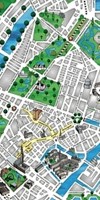
Copenhagen Maps - Interactive Maps
We find it essential - and as an important "must"
- that an online tourist site
and travel guide has several
interactive maps - which shows
and describes in details all the top attractions
and historical venues
- so our valued visitors can find their way around
- and are completely informed about the sites
they are visiting in Copenhagen and beyond. We
are the first company in the world that has produced
some costly interactive maps for our web user’s
convenience - and as a helpful and valuable
service and inspiring tool.
See: Interactive
Map - Copenhagen
See: Interactive
Map - Greater Copenhagen
|
|
|
|
Go
Wireless nearly everywhere in and around Copenhagen. |
|
| Internet
- WIFI - Cell Phone in Copenhagen |
|
Wireless all over Town
You can go online nearly everywhere in Copenhagen
as almost every mall - department store
- hotel - café - restaurant - and
other public areas like libraries - hospitals
- train stations - airport - transport venues
etc. offers wireless internet solutions.
Check with your hotel Concierge and Front Desk
about all the wireless facilities around town
and also the possibility to rent cell
phones and laptop units.
SIM cards and top-ups
can be purchased all over the city - at kiosks
- shops and supermarkets.
|
|
|
|
Almost
every Dane speaks English and many speak
German too. |
|
Language
As
a privileged few - and among billions
of people around the whole wide world
- there are only 5.6 million
Danes that speak and understand Danish.
In the Scandinavian countries Danish is
understandable between the Swedes
and Norwegians - and
vice versa. Nearly everyone in Copenhagen
and Denmark speaks English -
as Danish pupils today learn English at
school from the 1. Grade.
And from the 2. Grade
- German.
See:
Copenhagen
Culture |
|
|
|
|
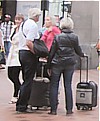
There
are baggage storing facilities at the Airport
- and the Central Station in Copenhagen. |
|
| Lockers
and Luggage Storage in Copenhagen |
The Central Station
At Copenhagen’s
Central Station there are good facilities to
store luggage - as well as using the
personal locker system. At
the left baggage section the prices are very
competitive - and the real value comes from
knowing that you can get on with your business
meeting or sightseeing trip
and not have to worry about your belongings.
The left luggage service operates every day
between 05:30 am to 01:00 pm. On Sundays from
06:00 am.
Copenhagen Airport
There are left luggage-baggage storage
facilities in each terminal at Copenhagen
Airport. All kind of baggage and luggage items
can be stored for up to one month
at reasonable
prices. Opening hours: Every day 5 am - 10 pm.
Unfortunately
- the maximum rental period for baggage lockers
at the airport is 72 hours.
Security checks
All items are subject to security checks - including
X-ray screening and random hand searches.
|
|
|
|
Contact
the police for lost and found property. |
|
Lost
and Found Property in Copenhagen |
Lost
and Found
Contact the nearest Police Station or
officer if you have lost your belongings
- as the Lost and Found Property
Office is operated by the Danish
police. The police will guide
you and help you to locate the lost property
at the Lost and Found premises.
See:
Lost
& Found - Police
|
|
|
|
|
|
|
|
Parking Copenhagen and Cruise Terminals
Like all other major cities and capitals
around the world - it is nearly impossible
and very costly to find a public
parking space in the central
part of Copenhagen - and the parking facilities
are divided into parking zones.
All around inner Copenhagen there are
8-10 inn-house parking garages
and car parks.
Parking is free in Copenhagen
during weekends from
Saturday at 5 pm until
Monday at 8 am - as well
as on public holidays.
Always check the parking signs with rules
and regulations for the desired parking
lot acquired.
There are limited parking facilities at
the different Cruise Terminals
in Copenhagen - with heavy parking duties.
|
|
|
|
|
Call
112 in Denmark for an urgent
situation or emergencies. |
|
| Personal
Emergencies in Copenhagen
- 112 |
Doctors - Dentists - Casualty wards -
Police
For any type of emergencies just call
112 (free from all phones in Denmark)
and state the type of assistance required.
Borrow a cell-phone if necessary as 90
% of Copenhagener's have one.
|
|
|
|
|
The
pharmacy logo in Danish. |
|
| Pharmacy
- (Apotek) in Copenhagen |
Apotek - Pharmacy
Any type of medicine can only be purchased
at chemists stores.
Some pharmacies in Copenhagen offer 24 hour
services.
"Apotek" is the Danish
word for pharmacy. Normal opening hours
from 9.00 a.m. to 5.30
p.m.. Saturday until 1.00 p.m. |
|
|
|
|
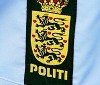
| The
very distinctive emblem on police uniforms. |
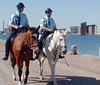
The
police on horse- back on their daily trip
through the city area. |
|
|
Police
in Copenhagen - 114 |
The Danish Police
The Police Force in Copenhagen
is well prepared and trained to tackle
any situation that should occur during
your stay in Copenhagen. The metropolitan
police are here to protect
- serve and advise
tourist that visit the city and the police
officers in Copenhagen speak English
and German. Copenhagen
is a safe city with a very low crime rate
- but if you experience or find anything
suspicious - or you are hassled by anyone
- then immediately contact a police officer
wearing a dark blue uniform and the very
characteristic badge with a crown
and three lions together with
nine red hearts in a
golden shield (The National
Coat of Arms) - or ask for the location
of the nearest police station. All basic
emergencies for police - fire - ambulance
dial 114.
Travelling
Safely in Denmark:
Safety
Precautions
Danish Police:
Politi
|
|
|
|
|
|
There
is always some kind of sale going on in shops
and stores in Copenhagen all year round. |
|
|
Price
Level in Copenhagen |
|
An
expensive City - with some good bargains
Even though Copenhagen has the status of being
one of the most expensive cities
in the world - with 25% VAT on
all products and services - one can as a tourist
or visitor find some good bargains
and acceptable deals - here
- there and everywhere in the city.
Price Level in Copenhagen
For our web-users convenience - we have made
an evaluation of the average prices
in Danish Kroner for everyday consumer
goods and services
in Copenhagen stores - supermarkets
- gas stations - hotels
etc.. The prices are subject to daily offers
and bargains - which can vary from store to
store depending on different products - brands
and offers. The following information in our
"Price Level in Copenhagen" webpage
is just meant to give our web-users an indication
of the price level in Copenhagen for comparison
of similar products in their own country.
|
|
|
|
The
public health and insurance system. |
|
| Public
Health Insurance - Denmark |
Danish Public Health Insurance
Persons visiting Denmark for a temporary
period are covered by the Danish public
health insurance system in accordance
to agreements between Denmark and the
visitor's home country. Check
all the travel insurance details at home
before travelling to Denmark.
|
|
|
|
|
|
Many
trick thieves will be operating with their
criminal activities
specially
in crowded tourist areas. |
| Mind
Pickpockets and Con Men spread all over
Copenhagen. |
|
|
Safety
Precautions
in Copenhagen & Denmark |
|
Pocket
Thieves and
Con Men
Like in any other Capital
City or Metropolitan areas
- Copenhagen has it’s
problems with professional
pickpockets
and thieves
that mainly target Visitors
and Tourist
and are spread all over
the city. Even though Copenhagen
records a low crime rate
- and is a quite safe place
to be and stay - pocket
thieves operate in crowded
tourist areas - where the
risk of being a victim for
these sneaky criminals is
higher on the Pedestrian
Street “Strøget”
and the area around
the Central Station
as well as Cinemas
- Cafés
- Restaurants and
Public Transportation
etc.. So be careful with
your personal belongings
and always use your common
sense. If any attempt
- you should immediately
contact the police.
Warning!
- Warning! - Warning!
Many trick thieves
and con men
will enter into the city
for the tourist
season - and are
operating with their criminal
activities especially
at the Pedestrian Street
“Strøget”.
Take especially good care
of your bag - wallet
- cell-phone - iPhone -
camera - jewellery - wrist
watch - and anything
else of value
- and never carry more than
DKK 100-200 with
you - as there are ATMs
everywhere.
Danish
Border Control
Even though Denmark has
an effective and
strict border control
at all Danish borders introduced
and establish since 2016
- then many sneaky
criminals manage
to force the Danish border
and enter into Denmark
to conduct their criminal
activities - which is an
Eldorado and Gold Mine for
con men - thieves - bandits
- burglars - crooks - who
have found their way illegally
into one of the prime welfare
states in the world. |
|
Travelling
Safely in Denmark: Safety
Precautions
|
|
|
|
|
There
are 5 km with stores and shops in one stretch
in central Copenhagen. |
Several
Shopping Malls and Outlets are mostly situated
on the outskirts of Copenhagen. |
|
Shopping
- 5 km with shops - in one stretch
in Copenhagen |
Shops - Shops and Shops
From Kongens Nytorv (The Kings square)
- at the end of the Pedestrian Street
"Strøget" - close to
"Nyhavn" - and to the other
end of Copenhagen - the Zoo Gardens -
there is almost 5 km
of shops - shops and shops. The
route can start at Kongens Nytorv
- then walk up through the Pedestrian
Street "Strøget"
- pass the Town Hall Square -
(take a pause here and enjoy a red
Danish hotdog) - then enter Vesterbrogade
and continue right to the Zoo
Gardens. The walk tour will nearly
take a half day each
way. With a free city bike
the trip will be reduced to half time.
For shopaholics and bargain
hunters - this is the ultimate
5 km of shopping and workout
tour in one stretch - as well as a great
way to experience Copenhagen - and also
get some healthy refreshing exercise.
See: Shopping
See: Pedestrian
Streets
Opening Hours
Mall - stores - shops and outlets
are normally open between 09:00
a.m. to 10:00 p.m.
the whole week long - also weekends in
Copenhagen. The opening hours was regulated
in October 2012.
|
|
|
|
|
VAT
and Tips are all inclusive for any type
of service charges in Denmark. |
|
Tipping
All service charges and VAT
are included in restaurant
- hotel and taxi
bills etc. - so further tipping
is unnecessary in Copenhagen and Denmark.
If you feel that the service provided
was extraordinarily good - a rewarding
tip will always be greatly appreciated.
|
|
|
|
|
|
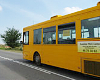
The
yellow busses serves in the metropolis area. |
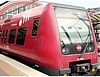
| The
S-trains service in Copenhagen. |
|
Transportation
in Copenhagen |
Moving around
A
view over Copenhagen’s Public Transport
System - and how to move a round in the
city for tourists - visitors - cruise
passengers - when using
Public Busses - S-trains
- The
Metro Systems - Taxies etc.
Pirate
Taxies!
There are many "Pirate
Taxies" in Copenhagen -
and we highly recommend you not to take
one of these - due to lack of proper
insurance - and other type of
legal protection. Contact
the police immidiately
if you are harassed or
robbed by these criminal
drivers!
Public Transport:
Transport
|
|
|
|
|
|
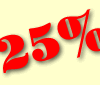
25%
VAT
- are
included in any purchase price
in Denmark. |
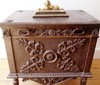
The
old Danish treasury chest from 1642. |
|
25%
VAT - Refund - Personal Taxation in Denmark |
VAT (Value Added Tax) and refund
VAT
- 25% are included
in the purchase price for all products
and services in Denmark. All Non
EU citizens can obtain
a refund on their
Tax Free Shopping.
Ask the shops and at the Air Port
about the Danish Tax Refund Programme
when shopping in Copenhagen.
Personal income
Tax - and a High Standard of Living
In brief -
personal income taxes in Denmark
are among the highest in the world.
To enjoy the high standard of living
- plus one of the world’s
most well functioning welfare
systems - the Danes pay
50-60% tax of their
total income. Married couples are
taxed separately. The Danish taxation
system is progressive and very complicated
to administrate - even by the Danes
- and also by the Danish “Skat”
authorities. (Danish -
IRS - Internal Revenue Service)
Danish income tax consists of national
tax - municipal tax - a high healthcare
contribution - and tax to the Evangelical
Lutheran State Church of Denmark.
Due to a "tax ceiling"
you will never pay more than 60%
of your total income on income tax
in Denmark -
but the Danes have nevertheless
many other tax burdens to pay -
as they still have to pay the 25%
VAT on all goods - plus
contribute with a lot of other government
fees and taxes as a supplement to
the Danish treasury account.
|
|
|
|
|
|
Miscellaneous
- and Beyond Copenhagen |
HISTORIC
CHURCHES - IN AND AROUND COPENHAGEN |
Religion
& The National Church of Denmark |
Remarkable
Historical Churches and landmarks - in and around Copenhagen |
|
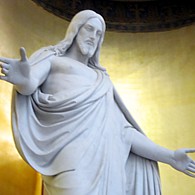
The
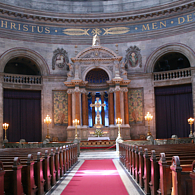
Cathedral of Copenhagen - The Church
of Our Lady from 1840. The Altar with the
famous statues of Christ and the twelve
Apostles at the nave by legendary sculptor
Bertel Thorvaldsen.
|
|
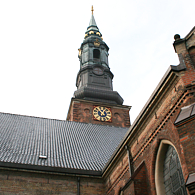
Saint
Petri Church from 1450 - with Burial
Vaults from 1648 - is the oldest Evangelical-Lutheran
Church in Copenhagen - and the domicile
of the German-speaking congregation.
|
|
The
Marble Church
- Frederik’s Church from 1894 - with
the largest dome (31 m) in Northern Europe
was left as a ruin for almost 150 years.
Placed beside Amalienborg Palace.
|
|
Religion
& The National Church of Denmark
The Danes became Christians more than 1000
years ago - when the Danish King Harald
Bluetooth raised the
Runic Stones
at Jelling in Jutland
in the first half of the 10th century
stating that Christianity
had come to Denmark. A
vast majority
of all ethnic
Danes
are Protestants - and are members
of the National Church of Denmark
- which is Evangelical Lutheran.
The Runic
Stones
The National Danish Church since 1536
- is the Evangelical Lutheran Church
The Protestant Reformation was introduced in Denmark
in 1536 - and fortunately for
the Danes - the Evangelical Lutheran Church
became the National Church of
Denmark
- called "Folkekirken"
(The Peoples Church) - and since
contributed to shape the Danes cultural background
- heritage - and national identity.
Historical Churches
Many historical churches are placed in Copenhagen
- and open for tourists 7 days
a week. All visitors are welcome to participate
in the church service and take part of the Holy
Communion. Some churches date back to 1450
- and many of these holy buildings are older -
as they have been rebuilt after being destroyed
by fires. |
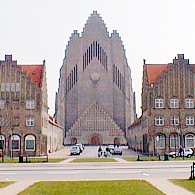
| Grundtvig's
Church
built 1921-1940 - is the largest public
Evangelical Lutheran church in Scandinavia
- and a national monument over priest
and Danish pioneer of folk high schools
- philosopher - social reformer and
hymn-writer N.F.S. Grundtvig. |
|
|
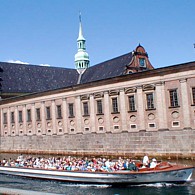
The
old anchor forge was changed into
The Church of Holmen
in 1641 - as a cruciform church with
a chapel - where two famous naval
heroes Niels Juel (1629-1697) and
Peter Wessel Tordenskiold (1690 -1720)
plus other prominet persons are buried.
|
|
Christiansborg
Palace Chapel |
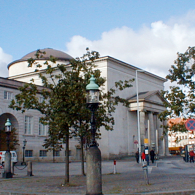
Christiansborg
Palace Chapel
- from 1733-45 is the Chapel of the
Danish Royal Family and burnt down
several times. In 1826 the chapel
celebrated the 1000 years of Christianity
in Denmark. Many Royal events and
weddings have taken place here.
|
|
|
Church
Bells Chiming all day long
Living in a Protestant country and metropolis
with thousands of Stately Evangelical Lutheran
Churches spread all over Denmark - visitors and
tourist will during the day and evening - constantly
hear church bells chime for a
variety of ceremonial Christian traditions and
glorious Holy Occasions. Church Bells have been
ringing all over the Danish Kingdom for over a
thousand years - as a vital part of the Danes
Christian Culture and Heritage. |
| The
Web-site for The Danish National Church (Folkekirken
-
The Peoples Church) |
|
|
|
|
OTHER
RELIGIOUS DENOMINATIONS IN DENMARK & COPENHAGEN |
|
Places
of Worship for World Religions
in Denmark & Copenhagen |
Numerous
Churches and Places of
Worship belonging to other religious
denominations than Evangelical-Lutheran
are located around Denmark - Copenhagen and in
other major Danish cities - where Tourists and
Visitors can attend Religious and Worship Services
- as the following World Religions are represented
and offer Places
of Worship: Baptist
- Buddhist - Charismatic
- Christian Scientist - Church
of England - Hare Krishna
- Hinduism - International Christian Ministry
- Islam - Jehovah's Witnesses
- Judaism - Methodist
- Mormon - Orthodox Christians
- Pentecostal - Quaker
- Roman Catholic - Russian
Orthodox - Salvation Army
- Seventh Day Advent - Sikhism
- plus many more denominations that practice their
religion and religious beliefs in Denmark. |
|
|
|
PUBLIC
OPENING HOURS - COPENHAGEN |
Shopping
Hours in Copenhagen |
Opening
Hours
Mall - stores - shops and outlets
are normally open between 09:00
a.m. to 10:00 p.m.
the whole week long - also weekends in Copenhagen.
The opening hours was regulated in October
2012. |
|
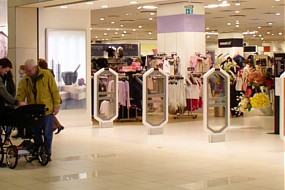
City
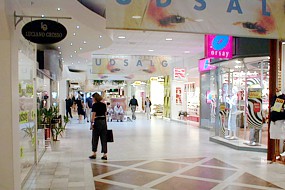
Mall outside of Copenhagen with shops
- restaurants - boutiques and cafes
- all under the same roof.
|
|
Downtown
walkway "Strøget" is a shopping paradise
with lots of shops - boutiques and
malls at the side of sidewalk cafes
and restaurants.
|
|
|
|
|
|
Post
Offices and Banks - Copenhagen |

|
|
Post
Offices & Postal Service - Copenhagen
Opening hours depends on location
of Post Office and location in the
city. Most Post Offices and Mail
Services are located in Supermarkets
- and larger Grocery Stores next
to the kiosk or bakery.
(Some Supermarkets provide Postal
Service in their opening hours -
06:00 a.m. to 24:00 p.m.)
Normal postal hours - Monday-Friday
from - 10:00 a.m. to 05:30 p.m.
Saturday - 10:00 a.m. to 02:00 p.m.
Sunday closed.
|
|
|

|
|
Banking
Hours and ATM service - Copenhagen
Banks are open from 10:00 p.m. to 04:00
p.m. - Monday to Friday. On Thursday banks
are open to 06:00 p.m. At Copenhagen’s
Central Station banking hours are from 09:00
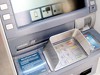
a.m. to 06:00 p.m. - 7 days a week. ATM
machines and service is provided outside
every bank in Copenhagen and accepts all
international credit cards. |
|
|
|
|
Weather
and Climate - Denmark |
Weather
and Climate in Copenhagen and
Denmark |
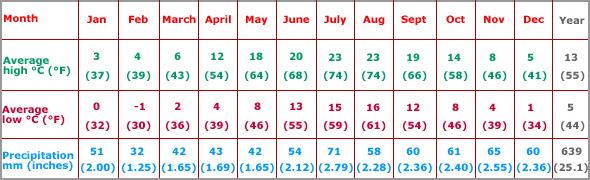
Denmark
has four charming seasons: spring
- summer - autumn
and winter. Spring
begins at the end of March to
May. Summer starts in
June and the hottest months with average
temperature of 18°-24°
Celsius is July and August. Autumn
starts at the end of September to the
middle of November with many sunny days
and the leaves as well as the vegetation
changes into beautiful orange –
red and yellow colours. Winter
starts at the end of November
and ends in March with snowfall and freezing
temperatures – making January -
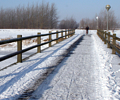
February the coldest month. |
|
| The
Four Seasons in Denmark
The four seasons are Spring - Summer
- Autumn and Winter |
Averages
weather and
temperatures for
Denmark and Copenhagen |
Changeable
climate and weather
Denmark has a typical island climate because of
its very variable and flat nature - and one is
never certain if the weather brings sun or rain
on a new day. Surprisingly - many tourists find
the changeable climate quite charming and there
will often blow a fresh wind over the country.
The coldest and warmest
months in Copenhagen
The coldest month of the year is January - February
with an average temperature near 0°.
C. - and the warmest is July
- August with an average about
18° - 24° C.
The
lowest temperature in Denmark
The lowest temperature reported in Denmark
was -29,0° C - January -
1942 - Ringkøbing
- West Jutland.
The highest
temperature in Denmark
The highest temperature reported in Denmark was
36,4° C - August
- 1975 - Holstebro - Mid-West Jutland.
|
Local
seasonal temperatures since 2002 in Denmark |
| The
highest seasonal temperature in 2002 |
32,0°
C |
August
19 - 2002 -
(Bornholm) |
| The
highest temperature reported in 2003 |
33,0°
C |
August 9 - 2003 - (Hestehovedet - Lolland) |
| The
highest temperature reported in 2004 |
31,0°
C |
August
15 - 2004 - (North
Jutland) |
| The
highest temperature reported in 2005 |
30,7°
C |
May
28 - 2005
- (South Jutland) |
| The
highest temperature reported in 2006 |
33,5°
C |
July
20 - 2006 (Fanø - South
Jutland) |
| The
highest temperature reported in 2007 |
31,5°
C |
June
11 - 2007 - (North Jutland) |
| The
highest temperature reported in 2008 |
31,4°
C |
July
29 - 2008 - (South Jutland) |
| The
highest temperature reported in 2009 |
32,8°
C |
August
20 - 2009 - (Jutland) |
| The
highest temperature reported in 2010 |
33,9°
C |
July
11 - 2010 - (Bornholm) |
| The
highest temperature reported in 2011 |
28,2°
C |
June
6 - 2011 - (Rønne - Bornholm) |
| The
highest temperature reported in 2012 |
32,8°
C |
August
20 - 2012 - (Frederiksberg - Copenhagen) |
| The
highest temperature reported in 2013 |
33,5°
C |
August
2 - 2013 - (Karup - Jutland) |
| The
highest temperature reported in 2014 |
31,7°
C |
July
9 - 2014 - (Aalborg - Vestervig - Jutland) |
| The
highest temperature reported in 2015 |
31,8°
C |
July
5 - 2015 - (Rønne - Bornholm) |
| The
highest temperature reported in 2016 |
31,6°
C |
August
26 - 2016 - (Abed - Lolland) |
| The
highest temperature reported in 2017 |
26,6°
C |
August
15 - 2017 - (Abed - Lolland) |
| The
highest temperature reported in 2018 |
33,6°
C |
August
8 - 2018 - (Hammer Odde - Bornholm) |
| The
highest temperature reported in 2019 |
32,8°
C |
July
25 - 2019 - (Borris - West Jutland) |
| The
highest temperature reported in 2020 |
32,4°
C |
August
9 - 2020 - (Frederiksberg - Copenhagen) |
| The
highest temperature reported in 2021 |
34,0°
C |
June
20 - 2021 - (Hammerodde - Bornholm) |
| The
highest temperature reported in 2022 |
35,9°
C |
July
20 - 2022 - (Abed - Lolland) |
| The
highest temperature reported in 2023 |
32,0°
C |
July
15 - 2023 - (Abed - Lolland) |
Tropical Nights & Days in Denmark &
Heat Waves
- A Tropical Night in Denmark is - when the
temperature reaches over +20°
C.
- A Tropical Day in Denmark is - when the temperature
reaches over +30° C.
-
A National Heat Wave period in Denmark is -
when the temperature is +28°C
in 3 consecutive days
|
|
|
|
|
BEACHES
AND BATHING - 52
km TO THE SEA & COASTLINE |
From
any point in Denmark - there will be less than 52 km
to the sea. |
Sea
& Beaches around Copenhagen & Denmark |
The
Sea and Beaches is Always Nearby
From any point in Denmark - there will be less
than 52 km to the sea. |
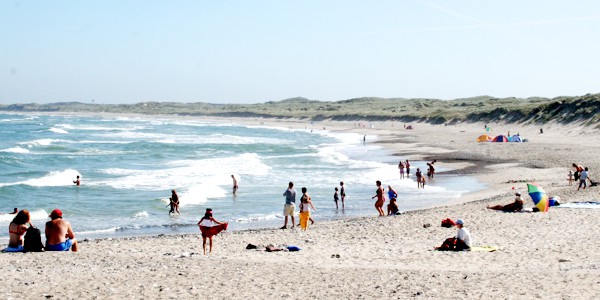
| When
you stay in Copenhagen you are never
far from a beach area - as Copenhagen
is a Costal Metropolis with long
stretches of sandy beaches alongside
the costal line of Copenhagen. From
any point and place in Denmark -
there will be less than 52
km to the coastline - beaches
and sea. |
|
|
Sea and Beaches is always nearby in and
around Denmark
From any point in Denmark - there will be less than
52 km to the sea. See:
Beaches
& Bathing
See: Harbour
Bathing
|
|
|
|
|
KRONER
& ØRE
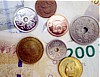
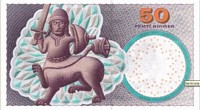
The "Krone and Øre" is the Danish currency
- which is equal up to 100 øre.
There are 100 øre for 1 Danish Krone. Crown.
Notes are available in 50 - 100
- 200 - 500
and 1000 DKK.
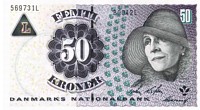
All of the banknotes are decorated with great
Danish personalities and symbols from
the historical world.
Coins
in circulation are 50 øre - 1 - 2 - 5 -
10 and 20 Kroner. The
25 øre coin has been taken
out of circulation as from October 1st - 2008.
Note & Coin series from the
Danish
Nationalbank
|
| 50
kroner (DKK) note portraying the
famous writer Karen Blixen. |
|
| Back
of 50 kroner (DKK) note with historical
relics and symbols. |
|
|
|
|
|
Destination
Sevice - Copenhagen & Denmark |
WE
CAN TAKE YOU HERE - THERE & EVERYWHERE IN AND ARROUND COPENHAGEN
& DENMARK |
Excursion
and field trip to Historic Castle - Palaces & Museums
Our Inbound Travel Service Team offers comprehensive excursion and
field trip to all
Historic Castle - Palaces & Museums |
We
can take you Here - There & Everywhere in and around Denmark! |
TRANSFERS
- TOURS - CONFERENCES - JOINT VENTURES - EVENTS - ACCOMMODATIONS
- TRAVEL INCENTIVES ETC. |
Select
venture and service:
Click event for more info! |
| This
Copenhagen Tourism Venue & Copenhagen Tourist & Visitors Lounge
- will be subject to changes! |
|